Adelaide / Australia
on 15 June 2026 at 5:11 am ×
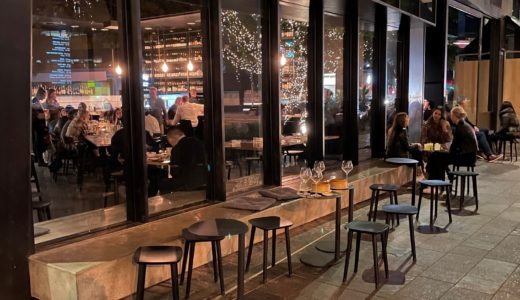
Thelma – Tom Campbell’s wonderful food Over the many years that we have been documenting where we eat around the world Adelaide has always been a city we return to for the interesting places to eat. On the most recent visit we were only in Adelaide for two full days […]
Countries / France
on 15 June 2026 at 1:16 am ×
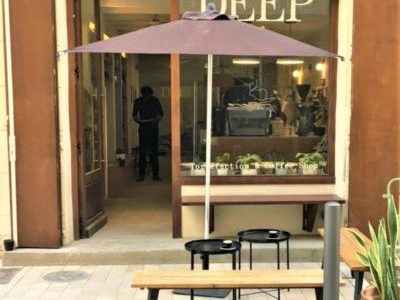
La Boutique de la Guinelle Vinegar Store in Banyuls For many years now we have been importing the amazing Guinelle vinegars to Australia. The quallity of these vinegars is exceptional and they usually sell out quite quickly. We often get enquiries from people heading to France to find out if […]
Australia / Melbourne
on 12 June 2026 at 5:23 am ×
LeRoi Brighton – Wonderful wine selection by Pierre Stock LeRoi Brighton is a very new retail wine store and bar in the heart of Bay Street, Brighton, Victoria. The venue has been fitted out by the owner, namely our friend Pierre Stock and also stocked by him from the wines […]
France / Countries / Uncategorised
on 20 May 2026 at 4:42 am ×
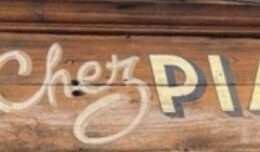
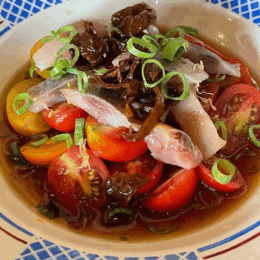
Chez Pia After catching a train from Bordeaux to Tours to begin our visits to Loire Valley producers and arriving in the early evening we were ready for dinner so headed for Chez Pia where we had a very satisfying meal. There is a pleasant atmosphere at this small but […]
France
on 20 May 2026 at 4:20 am ×
Natural wine gem in Blannay Each year, we make the trip to the north of the Burgundy region to visit three of our wonderful suppliers, La Cadette, the de Moors and La Petite Empreinte. La Cadette is based in the village of Saint Pierre which is situated at the food […]
Uncategorised / Angers / Auvergne / Belgium / Countries / France / Marseille / Paris / Provence
on 30 April 2026 at 11:58 pm ×
Exciting visits to our wine suppliers and restaurants, wine bars and wine shops We haven’t quite finished our 2025 adventures in France yet, but we decided to publish what we have finished aand will add to it as time allows. Here we are again! Each summer, before the grape harvests […]
Breakfast / Fremantle
on 27 April 2026 at 8:28 am ×
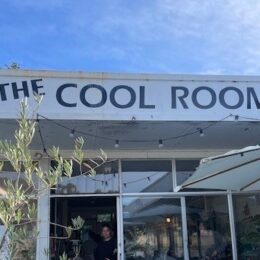
The Cool Room – Fremantle We always enjoy our trips to West Australia when we are visiting our customers in Perth and Fremantle and taking part in tastings of our imported wines with them. This year we were in town to take part in a lunch which was organised by […]
Brisbane
on 12 April 2026 at 11:17 am ×
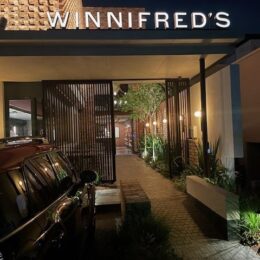
Winnifred’s – 34 Arthur Street, Fortitude Valley Winnifred’s is a very exciting new venue in Brisbane that combines excellent dishes with a very strong offering of some of the best Champagnes from many of the best producers from that famous region. The venue is in the central Fortitude Valley area […]
France
on 11 April 2026 at 2:32 am ×
Les Caves Maillol – Introduction When arriving in a new town in France, one of our first actions after settling in to our accomodation is to find out whether there is a natural wine shop or a natural wine bar that sells natural bottles that we can take away. As […]
Angers / France
on 23 March 2026 at 5:46 am ×
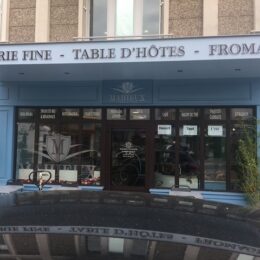
Maison Mahieux There are many reasons why we often find ourselves in the Loire Valley city of Angers. It is a convenient place to stay when the winter natural wine salons are being held. It has one of the best natural wine bars (Le Cercle Rouge) in France where our […]